Crypto Roundup: Regulatory Tightening Reshapes Markets as Banks Enter Stablecoin Race
Institutional Finance Embraces Digital Currencies
Japan’s banking establishment is making concrete moves toward mainstream cryptocurrency adoption, with its three largest institutions—MUFG, Mizuho, and SMBC—establishing a formal council to develop operational frameworks for stablecoin issuance by March 2027. This milestone represents a significant shift in how traditional finance perceives digital assets, moving beyond experimental pilots toward production-ready systems. The coordinated approach by Japan’s megabanks suggests that institutional-grade stablecoins may soon compete directly with both traditional payment systems and decentralized alternatives, potentially reshaping how cross-border settlements and domestic transactions function across Asia’s largest economy.
Regulatory Crackdowns Create Compliance Headwinds
Governments worldwide are intensifying their scrutiny of cryptocurrency infrastructure, with multiple jurisdictions tightening rules simultaneously. The European Commission is proposing sweeping sanctions that would ban transactions on Russian-linked crypto platforms, effectively extending geopolitical enforcement into the digital asset space. Meanwhile, the U.S. Treasury’s GENIUS Act money laundering rules are drawing criticism from major platforms including Hyperliquid and research firm Paradigm, which argue the requirements are overly burdensome for stablecoin issuers and may stifle innovation. New York’s financial regulator has also proposed new stablecoin rules featuring reserve concentration caps and mandatory risk management programs, aligning state-level oversight with federal standards. This coordinated regulatory pressure from multiple governments reflects a broader shift toward treating cryptocurrency infrastructure as a critical financial system requiring enhanced oversight.
Market Sentiment Deteriorates Amid Macro Pressures
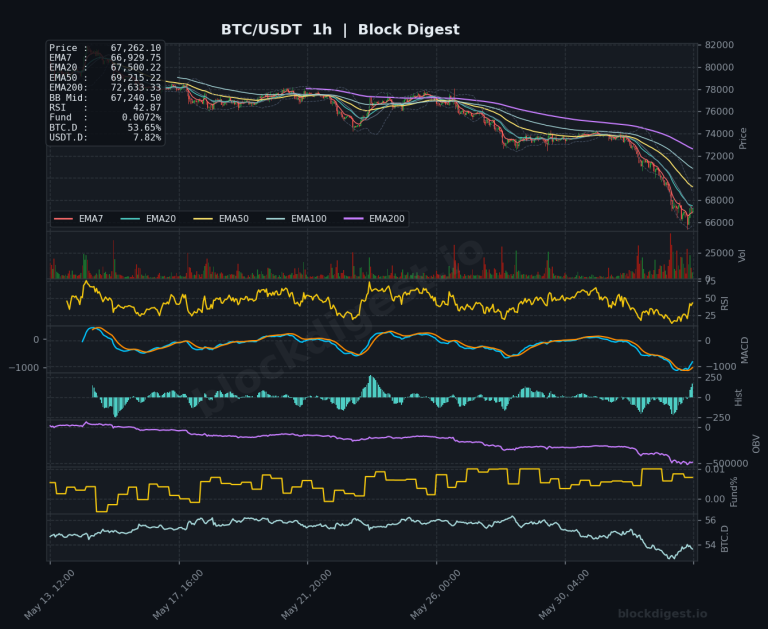
Crypto markets are facing headwinds from multiple directions as traders prepare for key economic data releases and major capital events. Ripple’s XRP token is showing signs of capitulation among long-term holders, with investors dumping positions at losses in what technical analysts view as a potential market bottom. Broader market weakness is also evident in recent trading patterns, with Zcash, Hyperliquid, and other major tokens declining as traders bet against an imminent Bitcoin recovery. The pressure intensifies as the anticipated SpaceX IPO approaches with massive oversubscription levels, creating what analysts describe as a “classic pre-mega-IPO liquidity squeeze” that is simultaneously drawing capital away from both traditional tech stocks and cryptocurrency assets. SpaceX’s pre-IPO token (SPCX) on Hyperliquid has fallen sharply from May highs despite still trading above the company’s $135 offer price, illustrating how broader market dynamics are influencing crypto-native instruments.
Law Enforcement Coordination Intensifies Against Crypto Crime
International partnerships between government agencies are escalating efforts to combat cryptocurrency-related criminal activity. South Korea’s national police have partnered with blockchain analysis firm Chainalysis to combat threats ranging from state-sponsored actors in the Democratic People’s Republic of Korea to retail investment scams. This cooperation reflects growing recognition that cryptocurrency’s pseudo-anonymous nature requires sophisticated technical tools and cross-border coordination to address the full spectrum of criminal activity, from nation-state-level sanctions evasion to consumer fraud.
Infrastructure Challenges Emerge in Layer 2 Ecosystem
The Bitcoin Layer 2 space is experiencing consolidation as projects struggle with economic viability. Botanix, a Bitcoin Layer 2 network that has operated for four years, announced plans to wind down operations due to weak fee revenue, instructing users to withdraw assets by early July. This decision underscores ongoing challenges in Layer 2 economics, where competition for transaction volume and pressure on fees make sustainability difficult without significant network adoption or alternative revenue models.
What to Watch
Investors should monitor the implementation timeline for Japan’s stablecoin framework, regulatory guidance on the GENIUS Act’s compliance requirements, and whether traditional finance’s institutional entry into digital assets accelerates despite regulatory headwinds. The ongoing tension between government tightening and private sector innovation will likely shape the cryptocurrency landscape throughout the remainder of 2026.
Sources: CoinTelegraph, CoinDesk, The Block
Disclaimer: This content is for informational purposes only and does not constitute financial advice. Always conduct your own research before making investment decisions.