Crypto Roundup: Institutional adoption accelerates while enforcement scrutiny tightens
Real-world assets reshape financial infrastructure
The tokenization movement gained significant momentum this week as major financial institutions doubled down on bringing traditional assets onto blockchain networks. Figure Technologies announced a transformative $717 million acquisition of Kiavi, positioning itself to substantially expand its real-world asset infrastructure by moving mortgage lending operations onchain while reducing operational costs. Simultaneously, Singapore’s DBS bank launched a retail-focused tokenized gold offering, with each token representing one gram of physical gold secured in dedicated vaults—a development that demonstrates how established banking institutions are integrating blockchain infrastructure into consumer-facing products. These moves signal that institutional players increasingly view tokenization not as experimental technology but as a fundamental restructuring opportunity for how financial services operate.
Stablecoins emerge as institutional preference over bitcoin
While bitcoin continues to capture headlines, traditional financial advisors appear more interested in stablecoins and tokenization infrastructure than direct cryptocurrency exposure. Bitwise’s analysis revealed that wealth advisors find engagement with Bitcoin challenging, preferring the stability and practical utility of stablecoins for payments and settlement. This preference aligns with Visa’s recent announcements highlighting how stablecoins are fundamentally reshaping commerce’s infrastructure, particularly as the payments giant expands its tokenization capabilities and artificial intelligence tools. The disconnect between retail enthusiasm for bitcoin and institutional preference for stablecoins suggests that crypto’s institutional integration will likely develop through payment and infrastructure layers rather than through speculation on cryptocurrency values.
Regulatory frameworks crystallize across major markets
Governments worldwide are moving beyond cautious observation toward comprehensive regulatory structures. Japan’s parliament advanced sweeping legislation that would classify cryptocurrencies as financial instruments beginning in 2027, aiming to foster innovation while establishing clear regulatory guardrails. Meanwhile, the Philippines’ central bank took enforcement action, declaring that Binance and its local partner lack required operating licenses—signaling that jurisdictions are increasingly willing to enforce compliance requirements against major platforms. These regulatory developments represent a shift from uncertainty toward structured governance, potentially creating clearer operating environments for compliant players while pressuring those operating in gray areas.
Corruption and fraud undermine market integrity
The crypto industry’s ongoing struggle with criminal activity and institutional malfeasance continued to surface this week. South Korean authorities booked the Bithumb CEO as a bribery suspect in connection with questionable hiring practices and alleged coordination with politicians, raising concerns about governance standards at major exchanges. Separately, a teenage perpetrator was apprehended after orchestrating a $13 million fraud scheme that funded an extravagant lifestyle—a reminder that crypto’s pseudonymous features attract bad actors across the sophistication spectrum. These cases highlight how enforcement actions and reputational damage from high-profile misconduct disproportionately affect institutional adoption prospects.
Bitcoin consolidates leadership amid market rotation
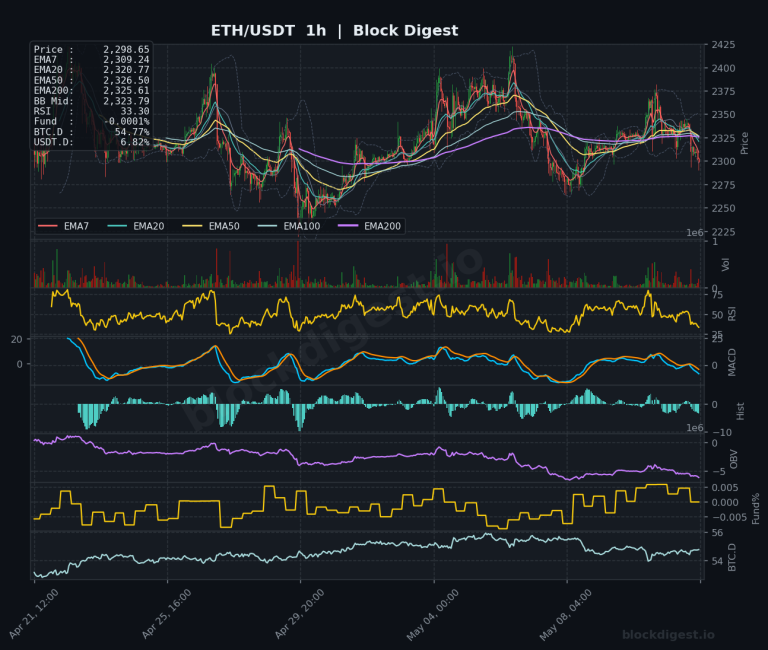
Bitcoin maintained its technical dominance as capital flows shifted away from alternative assets, with the largest cryptocurrency holding above critical technical levels while Ethereum and Solana struggled to break through comparable resistance. Bitcoin’s rising dominance rate suggests renewed investor focus on the largest and most established cryptocurrency rather than riskier alternatives. BlackRock’s anticipated launch of an income-generating Bitcoin ETF undercuts competitor fee structures while introducing options-based strategies that appeal to yield-focused institutional investors—further legitimizing Bitcoin as a mature asset class within traditional portfolios.
What to Watch
Investors should monitor Japan’s regulatory legislation through its final parliamentary passage, the operational impact of Figure’s Kiavi integration on mortgage tokenization timelines, and whether traditional finance’s preference for stablecoins fundamentally alters how crypto infrastructure develops at scale.
Sources: CoinTelegraph, The Block, CoinDesk
Disclaimer: This content is for informational purposes only and does not constitute financial advice. Always conduct your own research before making investment decisions.