Crypto Roundup: Market Correction Amid Policy Shifts and Institutional Integration
Market Volatility Pressures Digital Assets
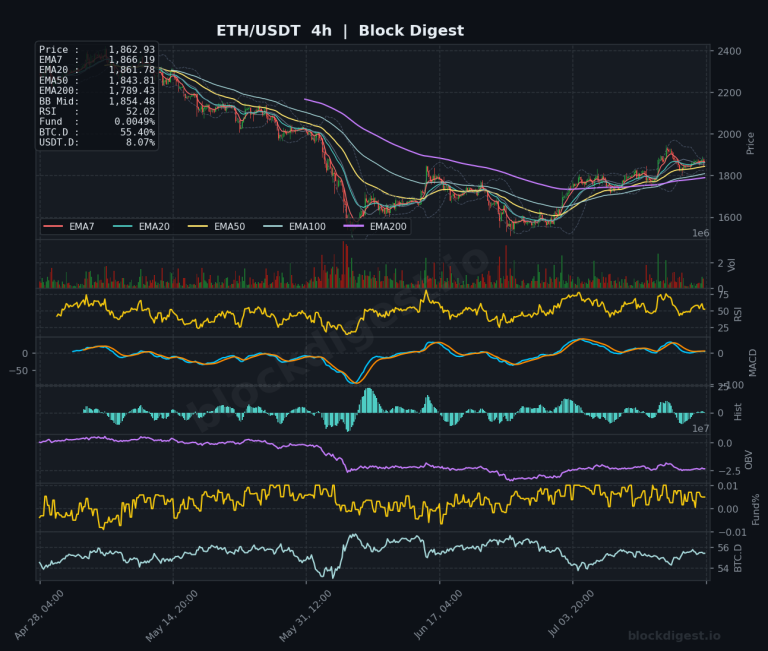
The cryptocurrency market experienced a significant downturn this week as Bitcoin tumbled below $66,000, erasing approximately $176 billion in investor value across digital assets. The leading cryptocurrency’s decline through the $70,000 barrier coincided with a broader rotation of capital into artificial intelligence equities and traditional stock markets, which reached fresh record highs. Ethereum similarly suffered, dropping below $1,900 as traders shifted funds into alternative asset classes. According to market analysts, the weakness appears driven by institutional investors reallocating resources toward outperforming tech stocks rather than fundamental issues within crypto itself. This correlation between Bitcoin’s weakness and record inflows into the S&P 500 highlights the persistent challenge of competing for capital in an environment where equities are delivering stronger near-term returns.
Stablecoin Regulation Takes Center Stage Globally
Regulatory developments around stablecoins have emerged as a critical focal point across major jurisdictions. The UK House of Lords committee pushed back against proposed restrictions from the Bank of England, cautioning that overly stringent regulations could render pound-sterling stablecoins commercially unviable despite broader support for oversight frameworks. Simultaneously, American lawmakers expressed concerns about cryptocurrency’s inclusion in 401(k) retirement plans, citing volatility and inadequate regulatory safeguards as risks to retirement security. Meanwhile, the SEC announced digital assets as a strategic priority through 2030, signaling intent to establish clearer rules, support tokenization initiatives, and develop frameworks for staking and onchain markets. These divergent regulatory approaches underscore the tension between fostering innovation and protecting consumers, particularly regarding how digital currencies integrate into financial infrastructure.
Institutional Adoption Accelerates Payment Infrastructure
Major financial institutions are rapidly embedding cryptocurrencies into existing payment ecosystems. Mastercard announced plans to offer stablecoin settlement capabilities alongside weekend and holiday transaction processing, betting that demand for real-time money movement will drive adoption of always-on finance. Coinbase enabled merchant payments in USDC and USDT through Checkout.com’s network of over 1,000 enterprise customers, providing a direct integration path for businesses to accept digital currencies. The CME’s launch of 24/7 cryptocurrency futures signals growing institutional appetite for continuous trading, with platforms like Ripple positioning their products to capitalize on this demand. These developments reflect a fundamental shift from cryptocurrency as speculative retail asset to critical infrastructure underlying modern financial operations. The integration trend suggests that institutional players view digital assets and stablecoins as essential components of future payment systems rather than experimental technologies.
Political and Regulatory Advocacy Intensifies
Cryptocurrency stakeholders have amplified their engagement with policymakers across multiple geographies. The Blockchain Association mobilized 160 former security officials to support passage of the Clarity Act, organizing virtual town halls and coordinated advocacy efforts. Concurrently, crypto-backed political action committees deployed $3 million in campaign spending across Maryland and California primary races, demonstrating the industry’s growing political footprint. Ripple expanded its Washington D.C. office specifically to strengthen engagement with U.S. regulators as institutional adoption accelerates, while international players like Polymarket pursued market access through partnership agreements, securing distribution rights in Germany ahead of the FIFA World Cup. These political efforts reflect the industry’s recognition that regulatory clarity and supportive legislative frameworks are essential for sustained growth and mainstream integration.
Infrastructure Evolution and Market Challenges
The cryptocurrency ecosystem continues evolving its technical and commercial foundations despite market headwinds. Bitcoin’s computational power exceeds the combined capacity of the world’s top 100 supercomputers by approximately 600,000 times, according to Bittensor’s co-founder, suggesting potential applications beyond currency for distributed computing and artificial intelligence. Conversely, challenges emerged in established projects, with Cardano’s TapTools announcing plans to wind down after five executives departed, though the team remains open to acquisition or partnership opportunities. In other developments, a South African court classified Bitcoin as capital and a negotiable instrument, establishing important legal precedent for asset recognition. The U.S. Treasury sanctioned Iran’s largest crypto exchange alongside three other platforms, highlighting the persistent regulatory challenge of preventing illicit financial flows. These developments collectively demonstrate that while the market faces near-term headwinds, the underlying infrastructure and regulatory frameworks continue maturing toward institutional-grade standards.
What to Watch
Investors should monitor whether capital outflows into equities prove temporary or signal a sustained reallocation away from digital assets. The SEC’s newly announced regulatory roadmap and international stablecoin restrictions will significantly impact how cryptocurrencies integrate into mainstream finance. Additionally, institutional adoption milestones at payment processors and exchanges may provide early signals of whether the current market weakness represents a healthy correction or the beginning of a longer-term consolidation phase.
Sources: CoinTelegraph, CoinDesk, The Block, Bitcoin.com
Disclaimer: This content is for informational purposes only and does not constitute financial advice. Always conduct your own research before making investment decisions.