
Senate Republicans Revise Clarity Act Ahead of High-Stakes Vote
Legislative maneuvering in Washington takes center stage today as Senate Republicans push a revised crypto framework, while global markets grapple with the integration of tokenized debt and the fallout of failed speculative products. Investors remain in a holding pattern, balancing regulatory uncertainty against a backdrop of shifting institutional interest in digital assets.
Senate Republicans Revise Clarity Act Ahead of High-Stakes Vote
Senate Republicans have unveiled an updated version of the Clarity Act, setting the stage for a pivotal vote scheduled for next week. The legislative package aims to build a comprehensive regulatory structure for the digital asset industry, a long-sought goal for market participants looking for legal certainty. Lawmakers are currently refining language regarding decentralized finance protocols and the role of credit unions within the crypto ecosystem to secure the 60-vote threshold required for passage.
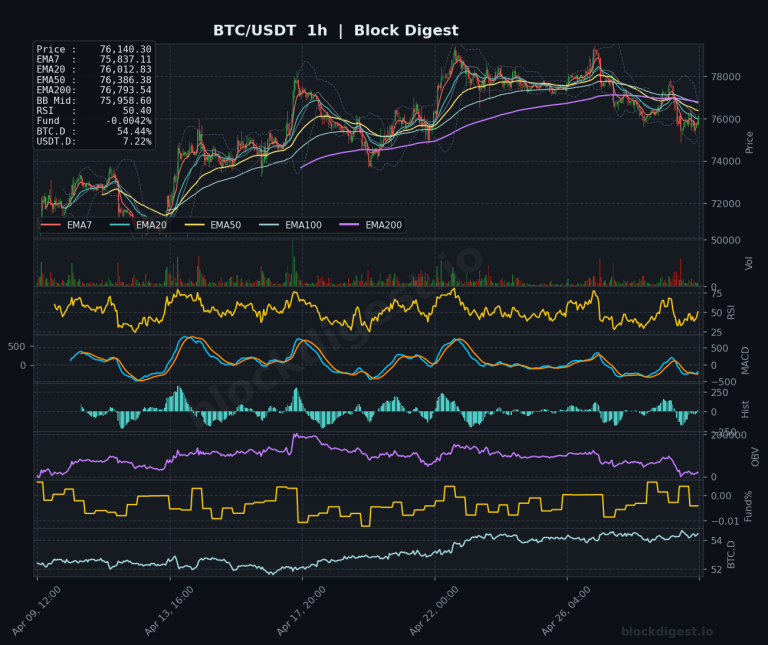
The bill faces a difficult path as it navigates a legislative recess and a complex political environment. Proponents argue the framework is essential for keeping innovation within U.S. borders, yet the specific requirements for DeFi oversight remain a point of contention. The legislative outcome will dictate the regulatory trajectory for the remainder of the year, influencing how firms approach compliance and product development. With the market currently showing a BD Pulse score of 45/100, legislative uncertainty is weighing on sentiment, keeping traders cautious as they wait for a signal from Capitol Hill.
Kalshi Challenges Traditional Finance with 24/7 Equity Perps
Prediction market operator Kalshi is pushing to disrupt traditional equity trading by seeking regulatory approval for perpetual contracts on 60 major stocks and ETFs, including heavyweights like Tesla and Nvidia. By introducing crypto-style, high-frequency trading products to the equity market, Kalshi aims to offer 24/7 access to assets currently restricted to standard exchange hours. This proposal has ignited a jurisdictional battle among financial regulators, who are clashing over which agency holds the authority to oversee these event-based contracts.
The move represents a significant test for the intersection of traditional finance and digital asset infrastructure. Success could force a broader shift in how retail and institutional investors interact with blue-chip stocks. The potential for round-the-clock volatility in equity markets would mark a departure from the current model, forcing legacy brokers to adapt to a faster, more continuous trading cycle. Regulators remain skeptical, weighing the benefits of increased liquidity against the risks of bringing perpetual, high-leverage products into the mainstream equity space.
India Pilots Tokenization of Corporate Bond Market
The Securities and Exchange Board of India has launched a pilot program to tokenize the nation’s $620 billion corporate bond market, marking a major milestone in the modernization of Indian debt. The initiative leverages the Reserve Bank of India’s wholesale digital rupee to enable near-instant settlement for tokenized assets. By replacing traditional, slower settlement cycles with blockchain-based transactions, the program aims to increase efficiency and reduce counterparty risk within the institutional sector.
While the current phase is limited to institutional infrastructure, regulators have outlined plans to eventually open the system to secondary market trading and retail participation. This transition could alter how debt is issued and traded in one of the world’s fastest-growing economies. The move signals a trend of central banks and regulators exploring distributed ledger technology to streamline legacy financial systems. As the pilot progresses, the success of these instant settlements will serve as a blueprint for other emerging markets looking to digitize their sovereign and corporate debt instruments.
Sam Bankman-Fried Appeals Fraud Conviction to Supreme Court
Former FTX CEO Sam Bankman-Fried has formally petitioned the U.S. Supreme Court to vacate his fraud conviction and the associated $11 billion forfeiture order. His legal team argues that lower courts committed a reversible error by restricting the defense’s ability to present evidence regarding the solvency of FTX at the time of its collapse. Bankman-Fried contends he was barred from demonstrating that the exchange held sufficient assets to cover customer withdrawals, a claim central to his defense strategy during the original trial.
This appeal represents the final legal avenue for the former executive to challenge the proceedings that followed the 2022 bankruptcy of his exchange. The petition highlights a disagreement over the interpretation of evidence and the fairness of the trial process. The Supreme Court’s decision on whether to hear the case will be a significant moment for the industry, as it could clarify the legal standards for asset management and disclosure in the digital currency sector.
Bitwise Closes Dogecoin ETF After Weak Investor Demand
Bitwise has officially discontinued its Dogecoin ETF, ticker BWOW, less than a year after its debut. Launched in November 2025, the fund struggled to gain traction, failing to capture the interest of institutional or retail investors. The product generated only $3 million in total trading volume during its short lifespan, falling well short of the firm’s growth expectations. The decision to shutter the fund underscores the difficulty of maintaining niche memecoin-based investment products in an environment where investor appetite for speculative, high-volatility assets has waned.
The closure of BWOW serves as a reality check for issuers who rushed to capitalize on the memecoin craze of the previous year. While the broader market shows a BD Extreme Index of +0.66σ, indicating that volatility remains within a normal range, the lack of interest in this specific ETF suggests that investors are becoming more selective. The failure of the product highlights a shift toward fundamental-driven investment strategies, leaving behind the speculative vehicles that characterized the earlier stages of the current market cycle.
What to Watch Next
The coming hours will likely hinge on whether Senate leadership can whip enough votes to move the Clarity Act out of committee before the recess begins. Investors should also monitor the SEC’s response to the Kalshi proposal, as any preliminary guidance will signal how aggressively the agency intends to defend its jurisdiction over 24/7 equity derivatives.
Sources: The Block, CoinDesk, CoinDesk, The Block, The Block
Disclaimer: This content is for informational purposes only and does not constitute financial advice. Cryptocurrency markets are highly volatile and unpredictable. All trading decisions should be made based on your own research and risk tolerance. Block Digest is not responsible for any financial losses incurred as a result of acting on this content.