
Senate Rejects Clarity Act as Crypto Markets Face $570M Liquidation
Crypto markets are reeling this morning after a pivotal legislative defeat in the U.S. Senate triggered a massive wave of liquidations. While policy uncertainty dominates the headlines, the broader ecosystem continues to push forward with technical upgrades and privacy-focused innovations despite the cooling sentiment.
Clarity Act Stalls as Regulatory Hopes Fade
The U.S. Senate dealt a significant blow to the digital asset industry on Tuesday, failing to advance the Clarity Act in a procedural vote that ended 49-50. Falling short of the required 60-vote threshold, the defeat marks the collapse of the most ambitious attempt to date to codify a comprehensive federal regulatory framework for crypto. The failure followed a breakdown in negotiations between Republican and Democratic leadership, leaving the path forward for industry oversight in complete limbo. The market response was swift and brutal, as major tokens and crypto-linked equities tumbled. This legislative setback erased the optimism that had been building around potential policy breakthroughs, forcing traders to recalibrate their expectations for a clear legal environment in the near term.
Derivatives Market Wiped Out by Legislative Shock
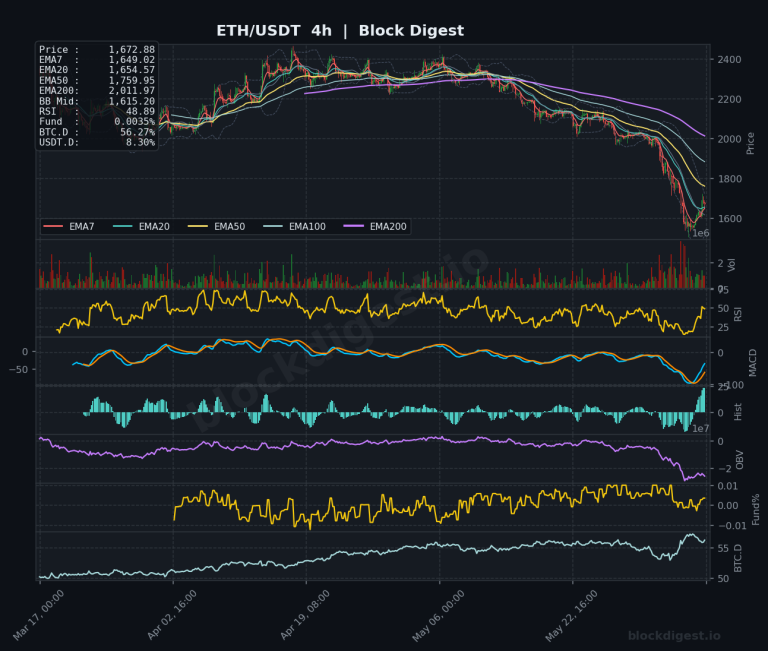
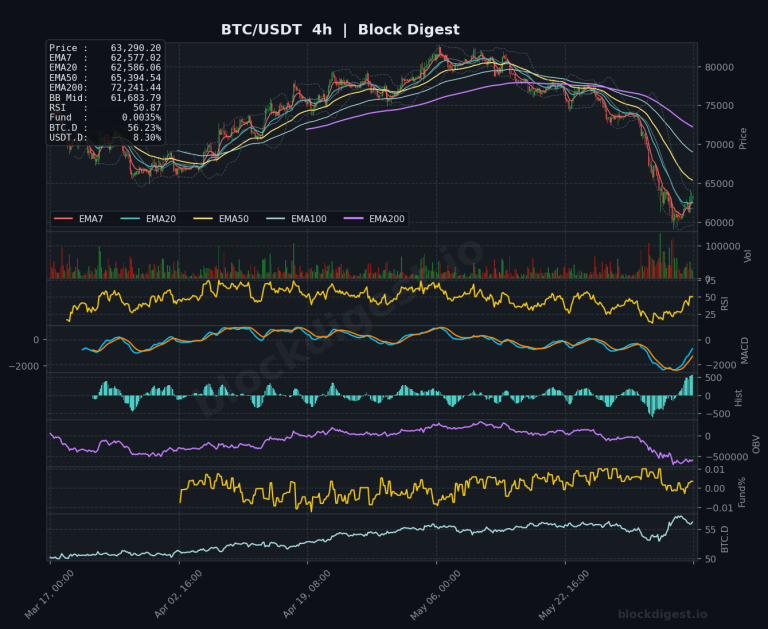
The legislative failure in the Senate triggered a violent deleveraging event across the derivatives market, resulting in approximately $570 million in liquidations within 24 hours. Long positions bore the brunt of the damage as Bitcoin and Ethereum futures faced a cascade of forced closures. This volatility is reflected in our proprietary BD Pulse score, which currently sits at 44/100, signaling a bearish shift in market sentiment. While the BD Extreme Index remains within the normal range at +0.21σ, the scale of the liquidations highlights the fragility of the current leverage cycle. With the Long/Short Account Ratio sitting at 1.82, the market remains heavily skewed toward bulls, meaning the recent price correction caught a significant portion of the retail base off guard.
Zcash Community Backs Faster Network Roadmap
Zcash network participants reached a decisive consensus on the future of the protocol, voting overwhelmingly to overhaul key technical parameters. In a governance process involving nearly 2.4 million ZEC, 99.9% of voters supported a transition to 25-second block times, a move designed to enhance transaction speed and network utility. The community also showed strong support for the protocol’s economic foundations, with 98.9% of voters opting to maintain the existing Bitcoin-style halving schedule. By preserving this deflationary model, the Zcash ecosystem is signaling a commitment to its original monetary policy while modernizing its infrastructure to compete in an increasingly fast-paced DeFi landscape.
CoinEx Closes Doors After Nine-Year Run
The list of legacy exchanges exiting the space grew longer today as CoinEx announced it is shutting down operations after nine years. The exchange pointed to a prolonged market slump and declining trading volumes as the primary catalysts for the decision, noting that the platform could no longer sustain its operations. Beyond the macro environment, the firm cited the increasing burden of regulatory and compliance costs as a major factor in its decision to cease services. The closure serves as a stark reminder of the mounting pressure on centralized service providers, many of which are finding it difficult to navigate the intersection of thinning liquidity and a tightening global regulatory net.
Zama Scales Confidential DeFi on Ethereum
Zama is expanding its privacy-focused infrastructure, bringing confidential swap capabilities to the Ethereum network following the success of its initial vault. The firm’s first vault reached $40 million in assets, prompting an expansion that now covers 12 existing Ethereum-based vaults. By integrating these private swap features, Zama aims to bridge the gap between institutional-grade financial privacy and the transparent nature of decentralized finance. The move is a strategic play to maintain the functionality of established DeFi protocols while offering users a layer of confidentiality that has historically been missing from public chains. This expansion suggests that the demand for privacy-preserving tools remains a core pillar of development for the next generation of on-chain applications.
What to Watch Next
The focus now shifts to how institutional players adjust their risk models following the Senate vote and the subsequent liquidation cascade. Keep an eye on the Long/Short Account Ratio throughout the day to see if retail traders capitulate or attempt to buy the dip against the current bearish momentum.
Sources: CoinDesk, CoinDesk, CoinDesk, The Block, The Block
Disclaimer: This content is for informational purposes only and does not constitute financial advice. Cryptocurrency markets are highly volatile and unpredictable. All trading decisions should be made based on your own research and risk tolerance. Block Digest is not responsible for any financial losses incurred as a result of acting on this content.