
Router Protocol Folds as DeFi Market Faces New Regulatory Pressure
The crypto landscape shifts today as a major DeFi player exits the scene, while regulatory scrutiny and institutional mortgage innovations continue to reshape the market. This evening roundup covers the collapse of a Coinbase-backed protocol, a major law enforcement win in Ukraine, and the evolving intersection of bitcoin and traditional finance.
Router Protocol Shuts Down After Failed Buyout
The DeFi sector faces a sobering reality check today as Router Protocol officially ceases operations. Despite early backing from Coinbase, the team failed to secure a buyer or finalize a licensing deal for its underlying technology. To finalize the exit, developers committed to incinerating 303 million ROUTE tokens, removing them from circulation. This marks the end of a long-running effort to establish a sustainable business model in an increasingly crowded ecosystem. The protocol, which once aimed to solve interoperability challenges, now serves as a case study in the difficulty of maintaining long-term viability without a clear path to profitability.
Ukrainian Authorities Dismantle Million-Dollar Crypto Scam
Law enforcement in Ukraine dismantled a sophisticated cryptocurrency fraud operation that siphoned up to $1 million in illicit revenue every month. The investigation targeted a large-scale criminal network and identified 62 victims ensnared by the scheme. Authorities confirmed that over 46 individuals managed the day-to-day operations, highlighting the scale of organized crime targeting the digital asset space in the region. This takedown represents a significant victory for local investigators working to curb the rise of crypto-related financial crimes. The operation relied on deceptive tactics to lure in victims, serving as a reminder of the security risks that persist even as the broader market matures.
Better and Coinbase Unveil Bitcoin-Backed Mortgage Model
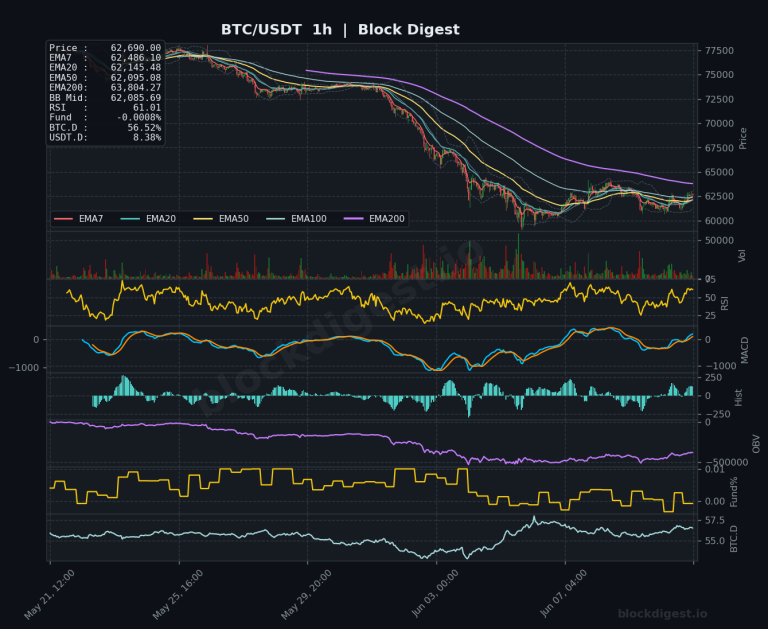
A new mortgage product launched by Better in partnership with Coinbase introduces a controversial feature: the ability for the lender to reuse borrower collateral. Under the terms of this agreement, users who pledge their bitcoin to secure a mortgage cannot access those assets until the primary debt is fully settled or refinanced. By granting the lender control over the collateral throughout the life of the loan, the structure creates a unique risk-reward profile for borrowers. This development comes as market participants navigate a period of high sentiment, with our BD Pulse score currently sitting at 67/100. While the product offers a way to leverage digital assets for real estate, it ties the borrower’s liquidity directly to the lender’s operational decisions.
Bank of Korea Links Stablecoins to Local Currency Depreciation
A recent study from the Bank of Korea identified a potential link between the rising popularity of dollar-backed stablecoins and the weakening of domestic currencies. Researchers observed that increased buying pressure on crypto pairs, particularly on major platforms like Binance, often correlates with a depreciation of the local currency. The report suggests that as market makers rebalance their positions to support the heavy flow of stablecoin transactions, the resulting pressure inadvertently drags down the value of the domestic tender. This finding adds a new layer of complexity to the global debate over stablecoin regulation and monetary sovereignty. With the BD Extreme Index currently at +1.08σ, the market is signaling an overbought condition that may exacerbate these capital flow dynamics as participants seek refuge in dollar-pegged assets.
IMF Clears El Salvador of Misusing Public Funds for Bitcoin
The International Monetary Fund officially verified that El Salvador’s recent expansion of its bitcoin holdings was funded entirely by private donations, rather than public treasury funds. This confirmation addresses long-standing public concerns regarding the government’s fiscal responsibility in its aggressive digital asset strategy. Since June 2025, no government capital has been diverted to increase the nation’s crypto reserves. The IMF’s findings clarify the state’s official position, distinguishing between the government’s policy-driven adoption and the private contributions fueling the growth of the national stash. By separating public funds from private donations, the report stabilizes the narrative surrounding El Salvador’s economic experiment.
What to Watch Next
The combination of tightening liquidity in the mortgage sector and the Bank of Korea’s warnings on stablecoin-driven currency shifts suggests that regulators are moving toward a more aggressive oversight posture. Watch for how institutional players respond to these findings, particularly if central banks begin to formalize their stance on stablecoin-induced capital flight.
Sources: The Block, CoinDesk, CoinDesk, CoinDesk, CoinDesk
Disclaimer: This content is for informational purposes only and does not constitute financial advice. Cryptocurrency markets are highly volatile and unpredictable. All trading decisions should be made based on your own research and risk tolerance. Block Digest is not responsible for any financial losses incurred as a result of acting on this content.