Crypto Roundup: Institutional Flows Reverse as Tokenization Reshapes Markets
Institutional Sentiment Shifts as Bitcoin Approaches $60K
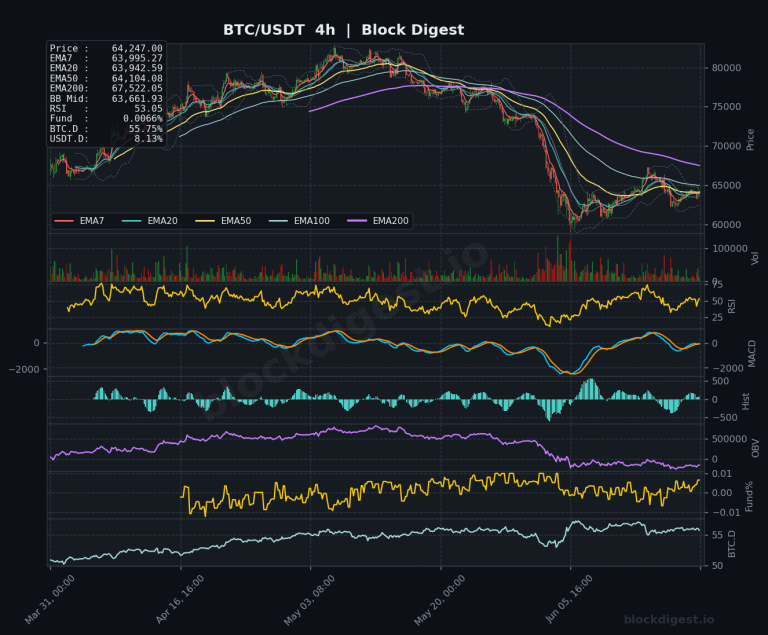
Bitcoin’s recovery to the $60,000 level is displaying markedly different institutional behavior compared to its February bounce. While earlier in the year institutional investors had shown restraint during dips, the current rally is accompanied by substantial ETF outflows—a stark reversal suggesting diminished conviction among large market participants. This shift reflects not a single catalytic event but rather a convergence of pressures weighing simultaneously on digital asset valuations, from artificial intelligence developments and traditional technology IPOs to quantum computing concerns and high-profile bitcoin sales by major holders.
Corporate Bitcoin Holders Navigate Market Uncertainty
Major cryptocurrency-focused corporations are sending mixed signals about their bitcoin conviction. MicroStrategy’s recent disclosures revealed the firm liquidated holdings for the first time since 2022, leaving its substantial portfolio underwater by roughly $11.7 billion at current prices. Yet the company’s leadership continues to hint at potential accumulation opportunities, suggesting confidence that present prices may not represent a durable market bottom. Meanwhile, realized losses in bitcoin markets remain approximately $35 billion below the severe drawdowns experienced during 2022’s bear market, implying that the cryptocurrency could face further downside before establishing a stable foundation for recovery.
Foundation Restructuring and Ecosystem Evolution
The Ethereum ecosystem is undergoing structural refinement as key figures reassess institutional roles and priorities. Consensys leader Joe Lubin defended recent Ethereum Foundation personnel changes and budget adjustments, characterizing them as necessary recalibration rather than crisis. His perspective suggests the foundation should focus more narrowly on core protocol stewardship while allowing the broader ecosystem to develop independently. This evolution reflects growing maturity within decentralized networks, where institutional scaffolding may become less central as community-driven development takes greater prominence.
Tokenization Emerges as Primary Growth Thesis
Traditional financial assets are increasingly moving onchain as cryptocurrency’s most compelling next frontier. Abra’s CEO positioned tokenized yield products and onchain lending as the forthcoming wave of institutional capital inflows, with his company preparing its own institutional debut on Nasdaq. This narrative gained tangible validation when Bybit joined Kraken in offering tokenized access to SpaceX’s anticipated public offering through the xStocks framework. The convergence of traditional finance infrastructure with blockchain rails suggests that the cryptocurrency sector’s mature phase may center less on speculation and more on genuine financial utility and asset representation.
Decentralized Exchange Competition Intensifies
The perpetual futures landscape faces mounting competitive pressures as established protocols confront institutional-grade challengers. Arthur Hayes cautioned that Hyperliquid’s primary value mechanism—utilizing trading fee revenue to burn tokens—creates vulnerability to market share erosion from well-capitalized competitors. This dynamic reflects the broader maturation of decentralized finance, where first-mover advantages fade as Wall Street participants deploy sophisticated capital and infrastructure into what were once niche digital-native markets. The tension between grassroots protocols and institutional contenders will likely define competitive outcomes across decentralized finance categories.
What to Watch
Market participants should monitor whether bitcoin can stabilize above $60,000 given current institutional ambivalence, track whether tokenized equities and yield products generate meaningful adoption, and observe how decentralized exchanges respond to institutional competition. The convergence of traditional finance integration, foundation restructuring, and corporate holder sentiment will significantly influence cryptocurrency’s trajectory through the remainder of 2026.
Sources: CoinDesk, The Block, CoinTelegraph, Decrypt
Disclaimer: This content is for informational purposes only and does not constitute financial advice. Always conduct your own research before making investment decisions.