Crypto Roundup: Bitcoin Bottoms While Institutions Race Into New Markets
Bitcoin Tests Critical Support Levels Amid Shifting Buyer Dynamics
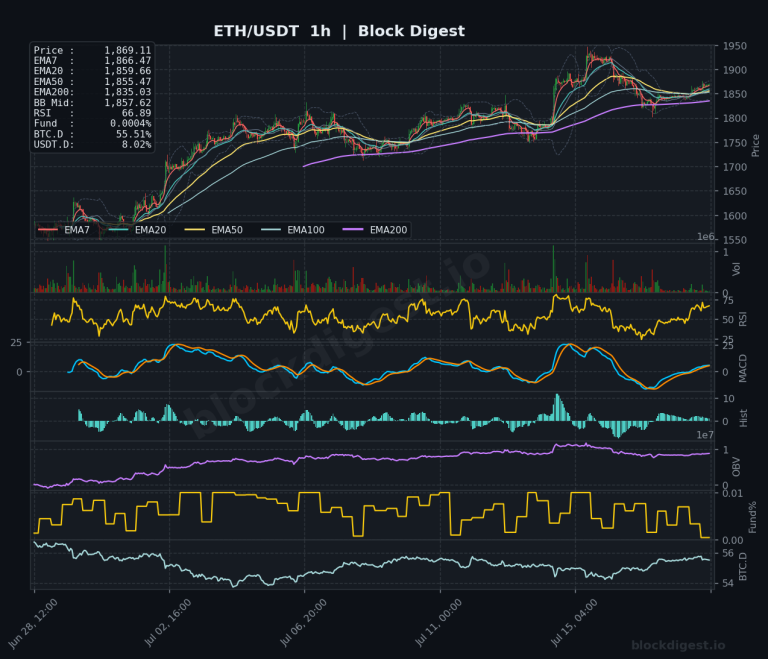
Bitcoin is revisiting levels last seen during major market distress, with traders debating the underlying catalyst for the recent downturn. While some attribute the weakness to large-scale selling by a prominent investor, analysts increasingly point to a shortage of fresh capital entering the market as the more pressing concern. Market observers note that bitcoin’s current valuation relative to its historical power law trajectory resembles conditions seen during the March 2020 pandemic crash, a period that ultimately preceded a significant recovery. Notably, some theorists have floated geopolitical factors, particularly international sanctions developments, as potential drivers behind this week’s price movement.
Institutional Products Compete Aggressively for Emerging Asset Classes
The market for specialized cryptocurrency investment vehicles is intensifying as major asset managers jockey for position in newly mainstream segments. Grayscale has entered the Hyperliquid space with a competitively priced offering, undercutting existing competitors by charging just 0.29% in fees on its Nasdaq-listed fund. Meanwhile, the tokenized equities trend is gaining traction with Kraken’s parent company preparing to democratize access to initial public offerings through blockchain-based shares, allowing retail investors to participate in pre-IPO allocations at the original offering price starting in the coming weeks. These developments underscore how cryptocurrency infrastructure is increasingly serving as a gateway to traditionally gated financial opportunities.
Stablecoins Expand Reach Across Payments and Regulatory Landscapes
Stablecoin adoption accelerated across multiple fronts as both payment processors and regulatory bodies signal support for digital currency settlement. Mastercard confirmed it would expand settlement capabilities to include leading stablecoins across various blockchain networks, representing a significant step toward mainstream payment infrastructure integration. Across the Atlantic, Britain’s legislative body urged financial regulators to modernize stablecoin rules, warning that current restrictions could hamper the UK’s competitive position relative to the United States and European Union. Separately, a Russian ruble-backed stablecoin has processed over $110 billion in transactions despite international sanctions, demonstrating the technology’s resilience in restricted markets. Tether is also pushing boundaries by launching a tokenized gold-backed Visa card that rewards users with precious metal exposure.
Hardware Security and Chip Vulnerabilities Surface in Custody Space
Security concerns emerged in the hardware wallet industry when researchers uncovered a theoretical vulnerability in the chip powering Trezor’s latest device. Ledger’s security team identified a laser-based attack vector in the TROPIC01 processor, though Trezor maintains that user funds remain protected and the vulnerability presents no practical risk to stored cryptocurrency. This incident highlights the ongoing technical challenges in securing digital asset storage at the hardware level, even as the industry moves toward more sophisticated threat models. Despite the vulnerability disclosure, the episode appears to have limited impact on user confidence, with both manufacturers emphasizing the theoretical nature of the attack and the multiple protective layers surrounding stored assets.
Regulatory Progress and Industry Consolidation Shape the Landscape
The cryptocurrency industry faces mounting regulatory deadlines and legislative uncertainty as various jurisdictions impose different timelines for compliance. The European Union’s Markets in Crypto Assets Regulation enters a critical phase on July 1st, when companies without proper authorization must cease serving European customers, even if their applications remain under review. In the United States, the Clarity Act’s prospects depend on increasingly scarce congressional calendar space, with lawmakers juggling competing legislative priorities. Legislative pressure continues to mount on industry skeptics, with prominent senators calling out major financial institutions for mischaracterizing proposed crypto legislation. Meanwhile, institutional acceptance continues growing, with Standard Chartered’s full acquisition of Zodia positioning digital asset custody as a banking necessity, and Revolut planning to offer stablecoin services through its U.S. banking subsidiary.
What to Watch
Investors should monitor whether bitcoin sustains support at current levels or tests deeper historical lows, particularly given the divergence between technical indicators and macroeconomic sentiment. The July 1st EU regulatory deadline will clarify which crypto platforms can maintain European operations, potentially reshaping market access. Additionally, the congressional calendar’s management of the Clarity Act will determine whether U.S. crypto market structure legislation advances this session, influencing regulatory certainty for the remainder of 2026.
Sources: CoinDesk, CoinTelegraph, The Block
Disclaimer: This content is for informational purposes only and does not constitute financial advice. Always conduct your own research before making investment decisions.