
Liquid Network Exploit and Geopolitical Tensions Shake Crypto Markets
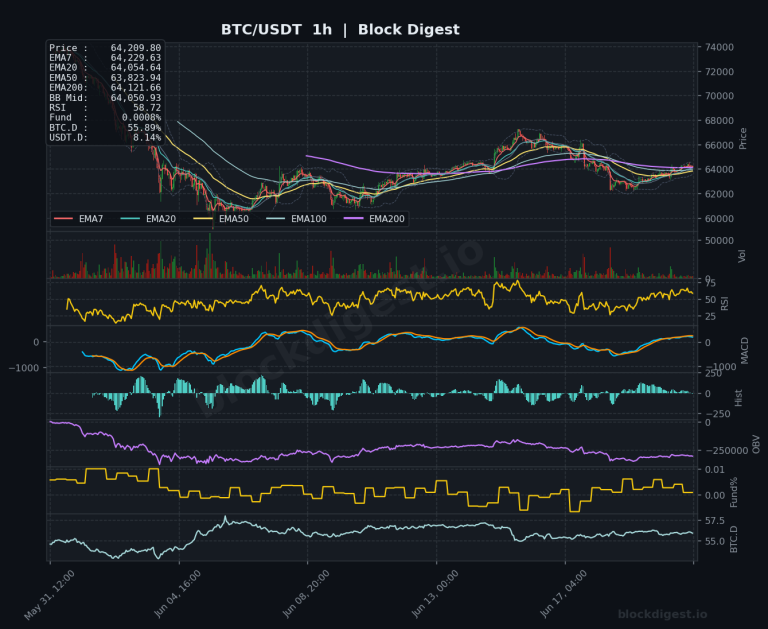
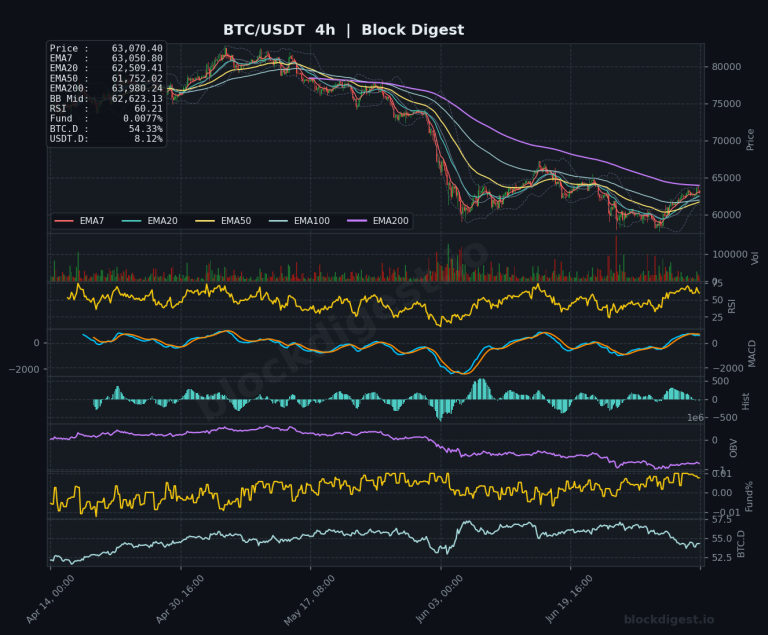
Geopolitical friction and a major security breach on the Liquid Network are testing digital asset markets this morning. While institutional appetite for spot bitcoin ETFs remains robust, traders are navigating a landscape defined by shifting risk sentiment and on-chain volatility.
Liquid Network Suspends Operations Following Massive Exploit
The Bitcoin sidechain Liquid Network has paused all transaction processing after an exploit resulted in the unauthorized withdrawal of $320 million in bitcoin. Blockstream, the primary developer, is attempting to negotiate with the entities responsible, who have publicly characterized their actions as a white-hat operation. Major exchanges integrated with the network have suspended LBTC deposits and withdrawals to prevent further contagion. This sudden halt underscores the vulnerabilities inherent in sidechain bridges and multi-signature security models. As the community awaits word from Blockstream regarding potential recovery or restitution, the incident serves as a reminder of the risks associated with secondary layers built atop the Bitcoin ecosystem.
Institutional Demand for Bitcoin ETFs Stays Resilient
Institutional investors are showing renewed confidence in the U.S. spot bitcoin ETF market, which recorded $987 million in net inflows over the past week. This surge follows a strong August performance of $3.52 billion, the highest monthly accumulation since September 2025. Market participants appear to be recalibrating portfolios in anticipation of evolving Federal Reserve interest rate policies, viewing current price levels as a strategic entry point. This institutional activity provides a counterweight to the broader market volatility seen this morning. Our internal BD Pulse score of 67/100 suggests the underlying trend remains bullish. The consistent capital allocation into these regulated vehicles indicates that large-scale players are looking past short-term noise to capitalize on the long-term adoption cycle.
Geopolitical Tensions Weigh on Risk Assets
Global markets are feeling the heat as U.S. military strikes against Iranian crude oil carriers have triggered a sharp rise in energy prices. This instability is rippling through the crypto sector, with bitcoin trading down nearly 1% as investors rotate out of risk-on assets. The current market environment shows a BD Extreme Index reading of +1.08σ, indicating that the market is overbought and susceptible to these types of news-driven pullbacks. While the Long/Short account ratio sits at 1.06, the broader sentiment is tempered by the potential for further escalation in the Middle East. Traders are monitoring the situation closely, as any further disruption to global supply chains could exacerbate the current downward pressure on digital assets.
South Korea Advances Tokenized Securities Framework
Hanwha has launched a new platform for tokenized securities on the Avalanche blockchain, marking a significant step in South Korea’s preparation for a modernized financial system. This development aligns with the government’s three-stage roadmap to integrate digital assets into national capital markets, with full legislative implementation expected by February 2027. By leveraging Avalanche’s infrastructure, Hanwha is positioning itself at the forefront of the shift toward on-chain settlement for traditional financial instruments. This move is part of a national effort to modernize domestic markets, providing a clear regulatory path for institutions to issue and trade tokenized assets. Other domestic firms are expected to follow suit as the February deadline approaches, cementing South Korea’s role as a hub for institutional blockchain adoption in Asia.
Router Protocol Winds Down Operations
The Router Protocol, a project that previously secured backing from Coinbase, will cease all operations after failing to find a viable path to commercial success. The team confirmed they were unable to secure a buyer or a sustainable licensing deal, leading to the decision to sunset the project entirely. As part of the liquidation process, the protocol will permanently burn its remaining supply of 303 million ROUTE tokens. This closure reflects the ongoing consolidation in the decentralized finance space, where projects that cannot achieve product-market fit or secure long-term funding are forced to exit. The move serves as a cautionary tale for developers navigating the competitive landscape of cross-chain infrastructure, where technical innovation alone is insufficient to guarantee long-term viability.
What to Watch Next
The immediate focus remains on whether Blockstream can recover the $320 million in lost funds, as a failure to do so could trigger further volatility across the Bitcoin sidechain ecosystem. Meanwhile, traders should monitor energy markets and Middle Eastern headlines, as any further escalation will likely keep risk assets under pressure through the afternoon session.
Sources: The Block, The Block, The Block, CoinDesk, The Block
Disclaimer: This content is for informational purposes only and does not constitute financial advice. Cryptocurrency markets are highly volatile and unpredictable. All trading decisions should be made based on your own research and risk tolerance. Block Digest is not responsible for any financial losses incurred as a result of acting on this content.