
Remixpoint Shifts to Bitcoin Treasury as Geopolitical Tensions Rise
Crypto markets are navigating a complex landscape today as geopolitical friction in the Middle East clashes with a growing trend of corporate bitcoin-maximalism. This afternoon roundup examines the shift in Japanese institutional strategy, the impact of rising oil prices on risk assets, and the ongoing legal scrutiny surrounding stablecoin issuer Tether.
Japan’s Remixpoint Pivots to Bitcoin-Only Treasury
The Japanese firm Remixpoint has liquidated its entire altcoin portfolio, including Ethereum, Solana, XRP, and Dogecoin, to adopt a bitcoin-maximalist treasury strategy. By consolidating its holdings, the company now maintains a reserve of approximately 1,506 BTC valued at roughly $115 million. Remixpoint is following a growing trend among publicly traded entities that treat the flagship asset as their primary balance sheet anchor. While the broader market shows a BD Pulse score of 59/100, indicating bullish sentiment, this move highlights a clear divide between retail-focused altcoin speculation and institutional treasury mandates. Remixpoint’s exit from its former positions suggests a preference for the scarcity and institutional adoption of bitcoin over the long-term utility of its previous holdings.
(Source: The Block)
Geopolitical Tensions Weigh on Bitcoin Prices
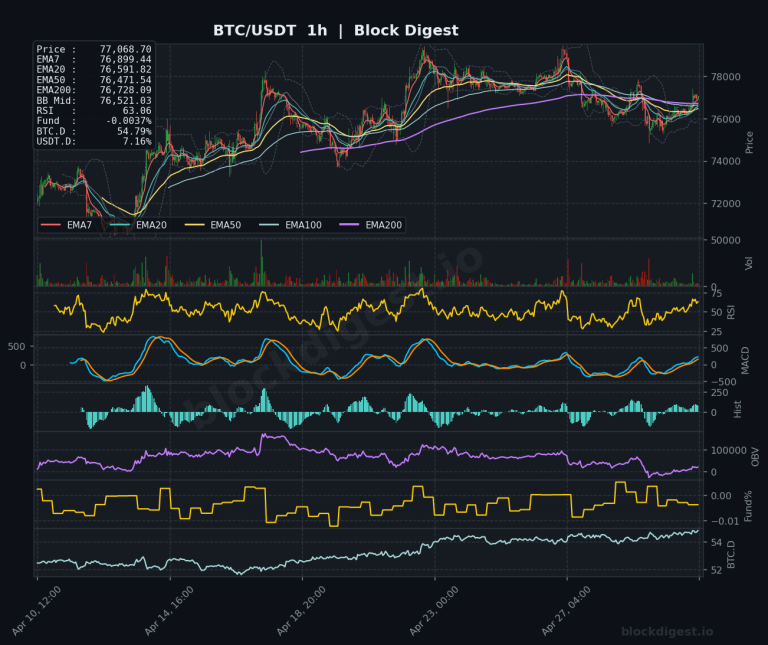
Bitcoin retreated below the $76,500 mark today as investors reacted to escalating conflict in the Middle East. Following U.S. strikes on Iran, Brent crude oil prices surged past $93 per barrel, triggering a flight to safety that pressured risk-on assets. The rise in Treasury yields, combined with the spike in energy costs, has dampened the momentum from the post-August rally. Our proprietary BD Extreme Index currently sits at +1.18σ, signaling that the market is overbought. Traders are now watching to see if support levels established earlier this month can withstand the dual pressure of energy market volatility and the potential for further military escalation.
(Source: CoinDesk)
Institutional Appetite for XRP ETFs Remains Resilient
Spot XRP exchange-traded funds continue to see steady capital inflows despite broader market volatility. These investment vehicles have attracted $170 million in net new capital over the past 11 days, suggesting that institutional investors remain unfazed by short-term price swings. Second-quarter filings show that major financial powerhouses, including Goldman Sachs, Jane Street, and Millennium Management, have established themselves as top holders. This accumulation indicates that institutions view XRP as a core component of their digital asset portfolios, regardless of the macro-driven sell-offs affecting the wider crypto market. The consistency of these inflows highlights a specific institutional preference for regulated, exchange-traded exposure to the asset.
(Source: CoinDesk)
Tether Faces Lawsuit Over Pre-Warrant Asset Freeze
Tether is facing a legal challenge regarding its internal procedures for freezing USDT assets. The lawsuit alleges that the issuer froze $42.4 million in funds based on informal requests from U.S. law enforcement more than three months before an official seizure warrant was issued. Plaintiffs are questioning the transparency and procedural standards Tether employs when restricting user access to funds. This battle brings the issue of centralized control within the stablecoin ecosystem to the forefront, as critics argue that Tether’s compliance practices lack the necessary legal oversight for such significant seizures. The outcome could set a precedent for how stablecoin issuers interact with government agencies and justify asset freezes in the absence of formal judicial documentation.
(Source: CoinDesk)
Prediction Market Volumes Cool After Year-Long Surge
The rapid growth of the prediction market sector hit a speed bump in August, as Kalshi and Polymarket reported a 15% decline in combined trading volume. This marks the first monthly contraction for the sector in over a year. Kalshi recorded $37.17 billion in volume for the month, while Polymarket and its U.S. counterpart contributed $8.16 billion. While these figures remain substantial, the decline suggests that the frenzied pace of activity seen throughout the summer is moderating as participants adopt a more cautious approach. This drop follows a period of intense interest in decentralized and event-based prediction markets, which had previously seen consistent month-over-month growth.
(Source: The Block)
What to Watch Next
The interplay between surging energy costs and institutional bitcoin accumulation will dictate the market’s direction as the trading day closes. Watch for any further updates on the Middle East conflict, as these developments remain the primary catalyst for the current flight to safety.
Sources
Disclaimer: This content is for informational purposes only and does not constitute financial advice. Cryptocurrency markets are highly volatile and unpredictable. All trading decisions should be made based on your own research and risk tolerance. Block Digest is not responsible for any financial losses incurred as a result of acting on this content.