
June CPI Collapse to 3.5% Sparks Bitcoin Rally Above $65K
U.S. inflation fell sharply to 3.5% year-over-year in June, smashing economist expectations and triggering an immediate rally in risk assets including Bitcoin, which surged past $65,000. The Consumer Price Index declined 0.4% on a seasonally adjusted basis—the largest monthly drop since April 2020—marking a significant cooling in price pressures that has dramatically reduced the probability of imminent Federal Reserve rate hikes.
Background on the June CPI Report
The U.S. Bureau of Labor Statistics released the June Consumer Price Index report on July 14, 2026, revealing a much sharper deceleration in inflation than markets had anticipated. The headline CPI fell from May’s 4.2% year-over-year reading to 3.5%, substantially below the consensus economist forecast of 3.8%. On a monthly basis, the 0.4% decline represented the most significant one-month contraction in six years, a level not seen since the pandemic-driven disruptions of April 2020.
Core inflation, which strips out volatile food and energy components to reveal underlying price trends, similarly beat expectations. The core CPI increased just 2.6% year-over-year while remaining flat month-over-month. Economists had predicted a 2.8% annual increase and a 0.2% monthly gain, meaning actual readings came in softer across both measures.
What Drove the Inflation Decline
Energy prices served as the primary catalyst for June’s sharp monthly decrease, falling 5.7% after rising in the preceding three months. The energy index had climbed 10.9% in March, 3.8% in April, and 3.9% in May, making the June reversal particularly pronounced. The energy sector’s outsized contribution more than offset increases recorded in other categories, including shelter and food prices, which continued to show modest inflationary pressure.
The timing of the energy decline reflects broader geopolitical developments. An Iran ceasefire announced before the CPI reporting period contributed meaningfully to softer oil prices in June. However, that ceasefire subsequently collapsed as of July 8, 2026, causing oil prices to rebound in the week following the CPI release—a dynamic that complicates longer-term inflation forecasts.
Market Reaction and Crypto Response
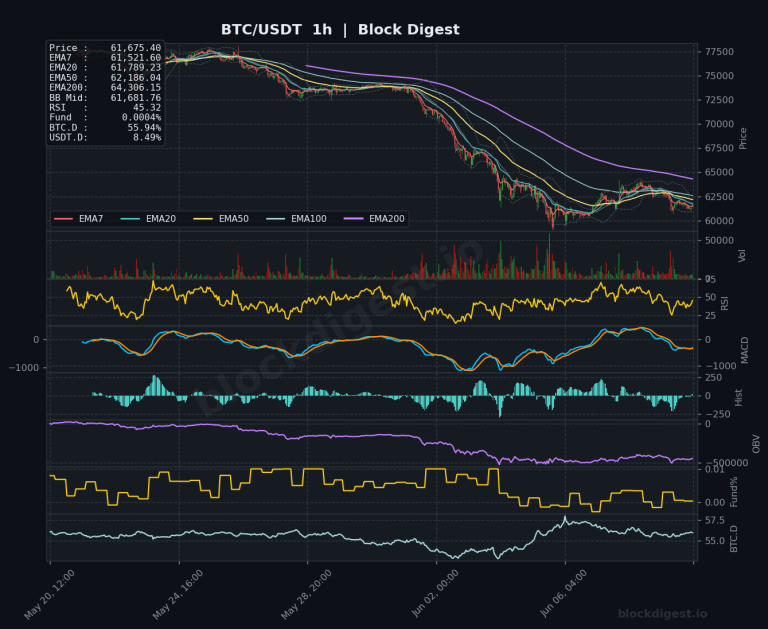
The inflation surprise triggered an immediate and broad-based rally in risk assets. Bitcoin, which had been grinding sideways for weeks, exploded off its early-July lows following the CPI announcement. The leading cryptocurrency climbed above $64,000 on elevated volume before reaching approximately $65,000 at intraday highs, reclaiming a technical level that had attracted sustained bullish attention since mid-June.
Beyond crypto, traditional risk assets equally participated in the rally. U.S. technology stocks rebounded sharply, with the Nasdaq approaching a three-week high. The semiconductor index gained 2.5%, while SK Hynix ADRs surged more than 27% in a single session. Simultaneously, safe-haven assets including U.S. Treasuries, gold, and silver all strengthened, reflecting genuine surprise at the inflation beat and reassessment of monetary policy trajectories.
Federal Reserve Rate Expectations Reset
The softer inflation reading has materially lowered the probability of near-term Fed rate increases. According to the CME FedWatch Tool as of the CPI release, there is an 88% likelihood that the Federal Reserve will hold rates steady at its next decision, with only a 12% probability assigned to a 25 basis point hike. The upcoming FOMC meeting scheduled for July 28-29, 2026, is now widely viewed as a hold with high conviction.
However, strategists caution against reading too much into a single month’s energy-driven decline. The Federal Reserve’s policy decisions remain anchored to core inflation dynamics and medium-term inflation trajectories rather than monthly headline volatility. Hawkish comments from the June FOMC minutes, officially released July 8, noted that nine of the Fed’s 18 officials still project at least one rate hike somewhere in 2026, suggesting that a single soft headline print is unlikely to fundamentally shift the policy baseline for the remainder of the year.
What This Means for the Market
The June CPI report has created a meaningful but potentially temporary tailwind for risk assets, particularly cryptocurrencies that thrive in lower-rate environments. Bitcoin’s decisive move above $65,000 signals renewed momentum after weeks of consolidation, and the improved Fed rate outlook removes a significant headwind that had weighed on crypto valuations throughout the spring. However, the energy-driven nature of June’s inflation decline means sustainability hinges on whether gasoline prices stabilize—a dynamic now complicated by the Iran ceasefire collapse. Investors should monitor July’s CPI and core inflation data closely, as well as Fed communication ahead of the July 28-29 meeting, to assess whether cooling inflation represents a genuine trend or a temporary anomaly driven by commodity volatility that could reverse just as quickly as it appeared.
Disclaimer: This content is for informational purposes only and does not constitute financial advice. Cryptocurrency markets are highly volatile and unpredictable. All trading decisions should be made based on your own research and risk tolerance. Block Digest is not responsible for any financial losses incurred as a result of acting on this content.