
Bitcoin Tumbles 2.4% as Iran Tensions Trigger Risk-Off Crypto Selloff
Bitcoin and Ethereum tumbled over the past 24 hours as U.S.-Iran tensions and geopolitical uncertainty triggered a broad risk-off selloff across crypto markets, with Bitcoin falling 2.42% to $62,461 and stablecoin liquidity contracting sharply amid investor caution ahead of today’s critical CPI report. The broader cryptocurrency market shed 1.12% of its value, slipping to $2.15 trillion, while on-chain data revealed aggressive seller dominance despite institutional ETF inflows signaling conflicting sentiment among different market participants.
The Geopolitical Trigger
The immediate catalyst for the market weakness stems from escalating U.S.-Iran tensions over the weekend, which triggered a broader flight-to-safety dynamic across risk assets globally. On July 13 Eastern Time, U.S. President Trump responded to the situation by announcing that the United States will serve as the “guardian” of the Strait of Hormuz, a critical global energy transit route responsible for roughly 20% of world oil flows. Trump’s declaration included plans to reinstate a naval blockade against Iran and impose a levy on vessels transiting the strait equivalent to 20% of cargo value to offset U.S. security costs.
This geopolitical posturing represents a notable escalation and underscores the vulnerability of crypto markets to macroeconomic shocks and international tensions. Bitcoin, despite its positioning as a geopolitical hedge, initially followed traditional risk assets downward as institutional investors rotated toward safe-haven assets and reduced overall portfolio risk exposure.
Market Mechanics and the Liquidity Squeeze
The technical breakdown was swift and severe. Bitcoin opened the 24-hour reporting period at $64,022 and initially traded sideways through a notably thin spot order book. The asset climbed to an intraday peak of $64,427 at 20:15 EDT on July 12, but the failure to sustain levels above $64,400 triggered immediate selling pressure. Buy-side liquidity evaporated, forcing a sharp $1,984 washout that drove Bitcoin down to an intraday low of $62,442 at 01:00 EDT on July 13.
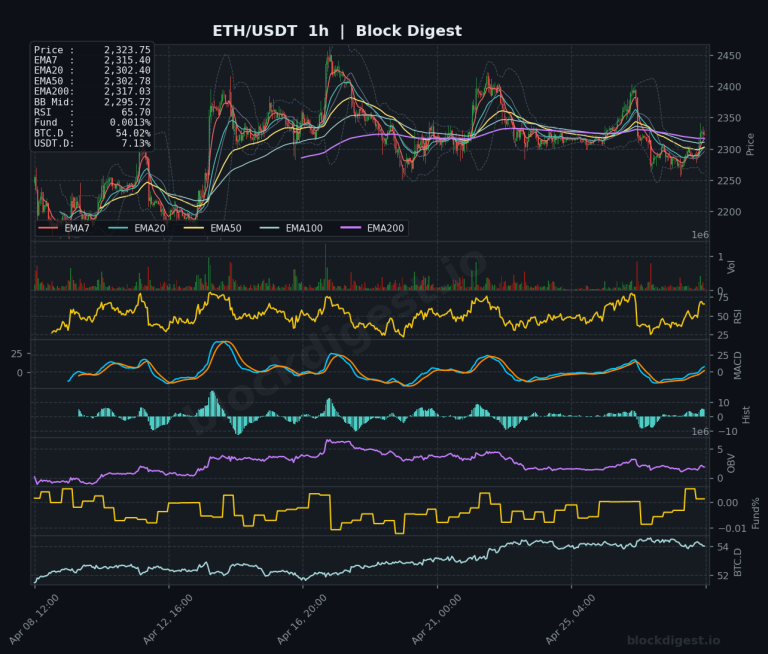
As of early evening July 13, Bitcoin settled near $62,049.20, while Ethereum declined 2.9% to $1,766.39 and Solana fell 3.4% to $74.87. Liquidations totaling $70.23 million in Bitcoin were triggered during the pullback, indicating that leveraged traders were forced out of long positions. The Fear and Greed Index collapsed to 28, reflecting extreme market anxiety, while Bitcoin dominance held relatively steady near 60%.
Critically, on-chain data from Glassnode’s Weekly Market Pulse report reveals deteriorating market structure beneath the surface. Spot trading volume plummeted 21.5% to $4.1 billion, falling significantly below the lower threshold of $4.7 billion that indicates healthy participation. The spot cumulative volume delta flipped from positive $17.2 million to negative $58.8 million, meaning aggressive sellers now substantially outnumber aggressive buyers despite the earlier price recovery attempt.
The Stablecoin Contraction Crisis
Perhaps more concerning than the price action itself is the ongoing contraction in stablecoin supply, which signals genuine liquidity stress within the ecosystem. As of July 12, the global stablecoin market cap fell $7.7 billion during June alone, marking the sharpest one-month dollar drop since the mid-2022 contagion era. The total stablecoin supply has contracted by approximately $10 billion from its May 2026 peak.
Tether (USDT) supply dropped $6 billion from its high point, contracting to $184 billion, while Circle’s USDC capitalization fell $7 billion from its March peak to $73 billion. This persistent drain of dollar liquidity from the crypto system raises questions about sustained demand and suggests that institutional participants may be reducing their on-chain exposure ahead of uncertain macro conditions.
Institutional Flows and Conflicting Signals
The market narrative becomes murkier when examining institutional participation. Despite the selloff, spot Bitcoin ETFs ended an eight-week losing streak last week as net inflows turned positive. The iShares Bitcoin Trust ETF recorded $86.8 million in inflows on Friday, while the iShares Ethereum Trust ETF gained $16.2 million during the same period. This suggests that at least some segments of the institutional market view current levels as attractive entry points.
On the Ethereum front, Bitmine Immersion Technologies has increased its holdings to 5.77 million tokens, representing 4.8% of Ethereum in circulation. The firm’s confidence in the asset is further underscored by recent ecosystem developments, including the launch of the Robinhood Chain L2 mainnet on Arbitrum on July 1, which has already exceeded $1 billion in dollar volumes and now commands more trading volume than any other decentralized exchange platform.
The July 14 CPI Catalyst
Today’s July 14 U.S. CPI report now stands as the immediate market pivot point. Softer inflation readings could reinforce expectations for Federal Reserve rate cuts, potentially improving risk appetite and supporting crypto prices. Conversely, a stronger-than-expected inflation reading may lift yields across the curve and add renewed pressure on non-yielding assets like Bitcoin. Traders are monitoring the $62,565 support level as a critical technical floor, with a break below that level potentially accelerating selling pressure.
Additionally, the CLARITY Act could reach Congress as early as July 17, offering the crypto industry one of its most significant regulatory moments in years and potentially influencing market sentiment in either direction depending on final language and positioning.
What This Means for the Market
The current environment presents a paradox: institutional money continues flowing into Bitcoin and Ethereum ETFs while on-chain data screams caution through collapsing spot volumes, negative cumulative deltas, and stablecoin supply contractions. The geopolitical shock appears temporary, but the underlying liquidity deterioration and technical breakdown suggest the market requires fresh catalysts and confirmation of demand before confidence returns. Today’s CPI release will likely prove decisive in determining whether current support levels hold or whether further capitulation is in store.
Disclaimer: This content is for informational purposes only and does not constitute financial advice. Cryptocurrency markets are highly volatile and unpredictable. All trading decisions should be made based on your own research and risk tolerance. Block Digest is not responsible for any financial losses incurred as a result of acting on this content.