
Bitcoin Spot ETF Outflows Break Week-Long Rally on Inflation Fears
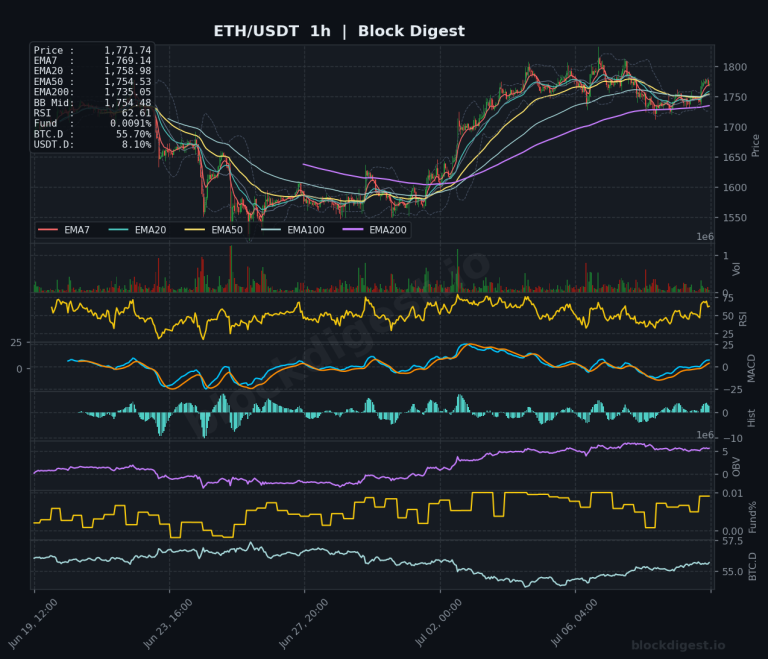
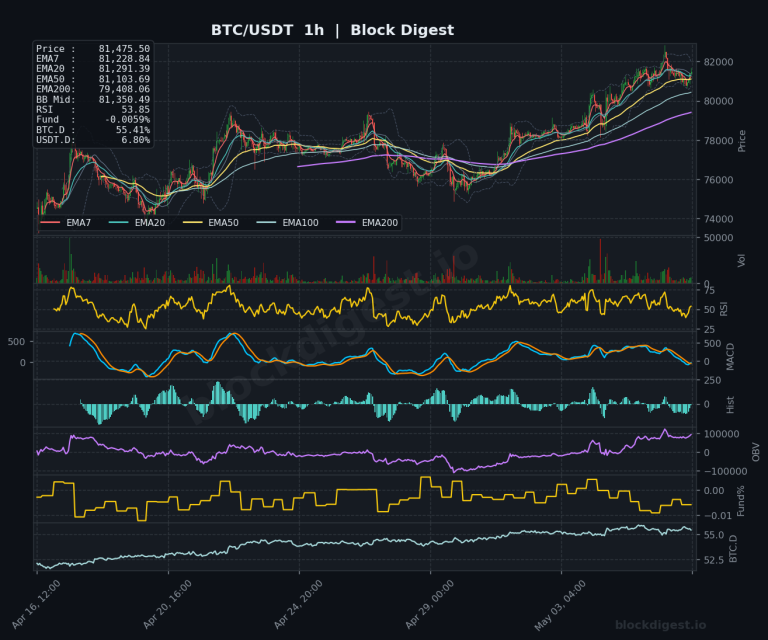
Bitcoin and Ethereum slid lower on Friday as macro headwinds from rising oil prices and new tariff policies pushed inflation expectations higher, triggering a $225 million net outflow from Bitcoin spot ETFs and snapping a week-long inflow streak. The broader cryptocurrency market capitalization fell 1.1% to $2.28 trillion over the past 24 hours, with Bitcoin trading at $64,033.86 and Ethereum at $1,857.43 as institutional investors rotated away from risk assets.
Background: Macro Pressures Intensify
The retreat marks a sharp reversal in momentum for digital assets that had been accumulating inflows throughout the prior week. Bitcoin opened Friday, July 25, down 1.3% from the previous session, while Ethereum fell 0.5% over the same period. The declines reflect broader concerns about near-term monetary conditions, with higher oil prices and emerging tariff policies combining to raise expectations for sustained inflation pressure. These macro crosscurrents have made institutional investors more cautious, prompting a reallocation away from cryptocurrencies and toward traditional safe-haven assets like U.S. Treasury securities.
The Fear and Greed Index stands at 27, indicating continued caution despite monthly improvement from Extreme Fear readings. Global trading volume across crypto markets totaled $63 billion, reflecting moderate activity as participants reassess their positioning ahead of the weekend.
ETF Flows and Institutional Moves
Thursday’s outflows represented the first significant reversal in Bitcoin spot ETF activity after a seven-day winning streak that had accumulated approximately $999 million in net inflows. BlackRock’s IBIT ETF continued to lead inflows on the day with $68.99 million, but this was overwhelmed by larger outflows from Grayscale’s GBTC, which recorded the largest single daily withdrawal in the cohort. The shift signals mixed conviction among institutional participants, with some long-term buyers stepping back while others maintain exposure.
According to Simon-Peter Massabni, head of business development at XS.com, Bitcoin is undergoing a healthy repricing of risk rather than entering a bearish downtrend. However, on-chain analysis from Block Digest’s proprietary BD Pulse indicator shows sentiment has tilted decidedly negative, with the score falling to 36 out of 100 and the OBV (On-Balance Volume) Trend declining to minus-one. This combination of institutional caution and weakening volume momentum suggests buyers remain hesitant to establish fresh positions.
On-Chain Sentiment and Leverage
The Long/Short Account Ratio stands at 1.79, indicating 64.2% of tracked positions lean long while 35.8% lean short, reflecting lingering bullish positioning despite the recent downturn. However, the funding rate of plus-0.0057% suggests minimal leverage acceleration, and RSI at 49.08 indicates neither overbought nor oversold conditions. These metrics together paint a picture of a market in transition, where participants are neither aggressively adding leverage nor capitulating en masse.
A separate on-chain concern emerged with the Allbridge protocol, which paused its cross-chain bridge following a $1.65 million flash loan attack. An attacker exploited distorted Solana stablecoin pools before moving the proceeds to Ethereum, highlighting ongoing security vulnerabilities in decentralized finance infrastructure. While the incident did not directly trigger market-wide selling, it underscored execution risks in emerging crypto protocols at a time when institutional confidence is already fragile.
Diverging Analyst Narratives
Market watchers offer conflicting near-term outlooks. Analyst Darkforst noted Friday that Bitcoin buyers who entered between $75,000 and $126,000 are now sitting on losses, signaling weak conviction about near-term price appreciation. This cohort’s reduced appetite for accumulation may constrain rallies in the coming weeks. Conversely, Standard Chartered reiterated its year-end 2026 Bitcoin price target of $100,000, suggesting the bank maintains conviction in longer-term upside despite current headwinds.
For Ethereum, traders are watching the $1,900 resistance level closely. Analysts expect the second-largest cryptocurrency to consolidate in the near term, with recovery attempts contingent on broader market sentiment improvement. ETH dominance remains stable at 9.85%, but price action has been mechanical and lacks the conviction needed to break out decisively.
What This Means for the Market
The combination of macro uncertainty, institutional outflows, and mixed on-chain signals suggests crypto volatility will remain elevated into the weekend as market participants reassess key support and resistance zones. Bitcoin’s dominance at 56.4% remains robust, but the string of recent ETF outflows and the cautious stance from major institutional players indicate that any recovery will likely face headwinds unless macroeconomic data improves or risk appetite broadly accelerates. The divergence between Standard Chartered’s $100,000 year-end target and the current weakness underscores a market caught between competing narratives: tactical near-term caution versus strategic long-term conviction.
Crypto markets will likely oscillate near current levels until inflation data and tariff policies show signs of stabilizing, with Ethereum emerging as a key gauge of whether institutional appetite for risk assets is returning or continuing to fade.
—
Disclaimer: This content is for informational purposes only and does not constitute financial advice. Cryptocurrency markets are highly volatile and unpredictable. All trading decisions should be made based on your own research and risk tolerance. Block Digest is not responsible for any financial losses incurred as a result of acting on this content.