Wall Street Giants Launch Stablecoin Project
Institutional interest in digital assets reached a new milestone today as global banking giants unveiled a collaborative stablecoin project. This development headlines a busy session, alongside a massive surge in network revenue for Robinhood Chain and a significant regulatory pivot from the SEC regarding tokenized securities.
Wall Street Giants Pivot to Stablecoin Infrastructure
A consortium of global financial heavyweights, including Citi and Goldman Sachs, has launched a collaborative venture to develop a U.S. dollar-pegged stablecoin. This initiative marks a strategic shift for traditional finance, aiming to modernize digital asset settlement and payment processes by leveraging blockchain rails. The project seeks to bridge the gap between legacy banking systems and the efficiency of distributed ledger technology. While the initial focus remains on the U.S. dollar, the consortium has already identified a euro-denominated token as a primary objective for the next phase of their expansion. By pooling resources and expertise, these institutions are signaling their intent to play a central role in the future of programmable money. This move aims to accelerate the institutional adoption of on-chain finance, as these firms seek to reduce friction in cross-border transactions and internal ledger management.
(Source: CoinDesk)
Robinhood Chain Activity Ignites Arbitrum Rally
Robinhood Chain hit a significant performance milestone today, recording a single-day revenue high of $1.9 million. This surge in network activity provided a direct catalyst for a 30% price rally in the Arbitrum (ARB) token. Daily fees on the network climbed past the $2 million mark, drawing in traders betting on the sustained growth of decentralized exchange volume within the platform. Our internal BD Pulse score currently sits at 72/100. The BD Extreme Index reading of +1.61σ suggests the market is currently overextended despite the bullish momentum. The influx of capital into the Arbitrum ecosystem highlights a trend of users migrating toward high-throughput networks capable of handling increased transaction volume.
(Source: CoinDesk)
SEC Targets 1970s Rules for Blockchain Integration
The U.S. Securities and Exchange Commission is moving to overhaul its regulatory framework for transfer agents, updating rules that have remained largely untouched since the 1970s. This modernization effort targets the rise of blockchain technology and the increasing prevalence of tokenized assets. By updating these standards, the agency intends to provide clarity for firms that manage digital securities and maintain on-chain ownership records. The current regulatory environment has struggled to reconcile legacy definitions of security transfers with the instantaneous nature of blockchain transactions. This proposal suggests the SEC is shifting toward a proactive stance in accommodating the technical realities of the digital asset market. If implemented, these changes could lower the barrier to entry for institutional players looking to issue and manage tokenized securities within a compliant framework.
(Source: The Block)
Hut 8 Capitalizes on AI Infrastructure Demand
Bitcoin miner Hut 8 is pivoting its Texas power infrastructure to meet the explosive demand for data center capacity, securing a deal involving AI firm Anthropic. The agreement, valued at $35 billion, includes two long-term leases for Hut 8’s site worth a combined $19.6 billion. This valuation represents a premium of more than 260 times the company’s most recent quarterly revenue. The deal underscores the convergence between crypto mining and the artificial intelligence sector, as both industries compete for the same high-capacity power sites. By repurposing its energy assets, Hut 8 is diversifying its revenue streams beyond the volatility of Bitcoin block rewards. This transition highlights the strategic importance of physical power infrastructure in the AI age, positioning mining companies as essential landlords for the next generation of computing power.
(Source: CoinDesk)
Bitcoin and Gold Align in Debasement Trade
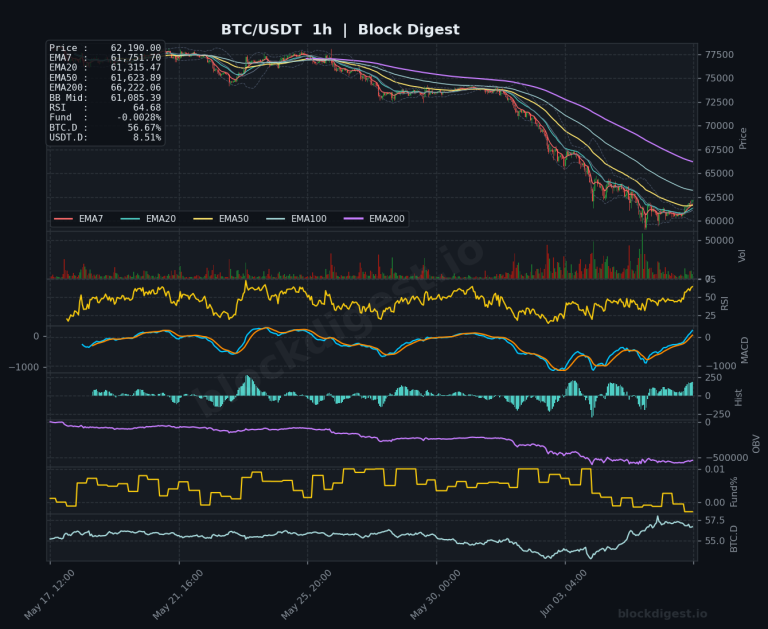
Bitcoin is moving in lockstep with gold, with the 90-day Pearson correlation coefficient between the two assets reaching an all-time high. Investors are leaning into a debasement trade, treating both Bitcoin and gold as primary hedges against the ongoing devaluation of fiat currencies. This alignment suggests Bitcoin is being integrated into traditional macro portfolios as a digital store of value rather than just a speculative tech asset. Bitcoin is currently consolidating near the $78,000 level, supported by a narrative of monetary instability. The shift in correlation indicates that the asset is maturing, with its price action becoming more sensitive to the same inflationary pressures that drive gold demand. As global debt levels rise, the synchronized movement of these two assets serves as a barometer for investor anxiety regarding the long-term purchasing power of sovereign currencies.
(Source: The Block)
What to Watch Next
The intersection of institutional stablecoin adoption and shifting regulatory standards suggests a period of rapid infrastructure building for digital assets. Watch for how traditional banks navigate the SEC’s updated transfer agent rules as they attempt to integrate their new stablecoin projects into existing compliance frameworks.
Sources
Disclaimer: This content is for informational purposes only and does not constitute financial advice. Cryptocurrency markets are highly volatile and unpredictable. All trading decisions should be made based on your own research and risk tolerance. Block Digest is not responsible for any financial losses incurred as a result of acting on this content.